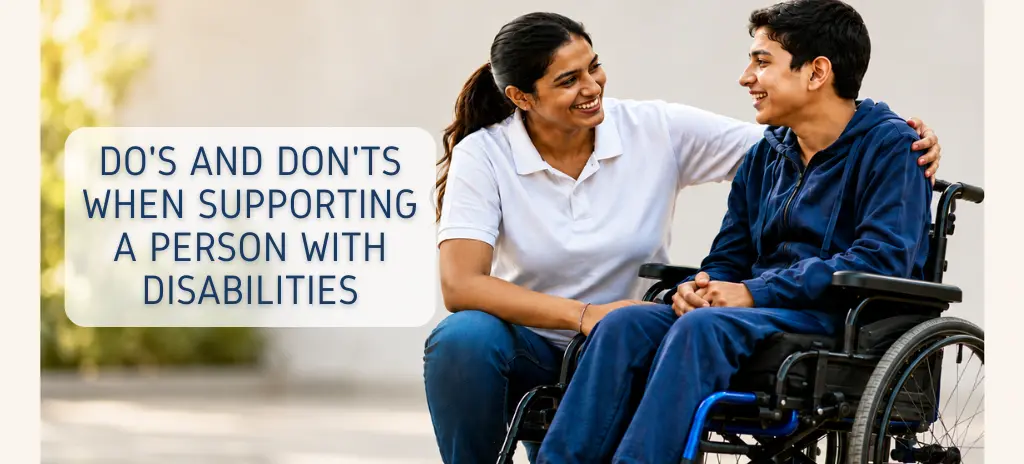


Supporting a person with a disability is about more than offering help—it is about treating them with dignity, respect, and equal opportunity. Every individual deserves the freedom to make choices, pursue education, build a career, and live independently. Whether you are a family member, friend, colleague, volunteer, or community member, understanding the right approach can make a meaningful difference.
At Narayan Seva Sansthan UK, we believe that true inclusion begins with awareness and compassion. Through free corrective surgeries, rehabilitation, education, and assistive support, we strive to empower individuals with disabilities to lead confident and independent lives. Here are some important do’s and don’ts that can help create a more inclusive society.
Why Disability Awareness Matters
According to the World Health Organization, more than one billion people worldwide live with some form of disability. While many barriers are physical, others stem from misconceptions, stereotypes, and a lack of accessibility. By adopting respectful behaviour and promoting inclusion, we can help create communities where everyone has the opportunity to thrive.
Do: Treat People with Respect
Always remember that disability is only one aspect of a person’s identity. Speak to individuals with respect, listen to their opinions, and recognise their abilities rather than focusing on their limitations. Small acts of kindness combined with genuine respect can foster confidence and meaningful relationships.
Don’t: Make Assumptions About Their Abilities
No two people experience disability in the same way. Avoid assuming what someone can or cannot do based on their condition. Instead, allow individuals to demonstrate their own capabilities and preferences. Every person has unique strengths, talents, and aspirations.
Do: Ask Before Offering Help
While your intention may be to assist, always ask before stepping in. Many people with disabilities have developed effective ways to perform daily tasks independently. Respecting their decision—whether they accept or decline your help—demonstrates consideration and preserves their independence.
Don’t: Speak to a Companion Instead
When a person with a disability is accompanied by a family member or caregiver, always address your conversation directly to them. Maintaining eye contact and engaging with the individual shows respect and acknowledges their autonomy.
Do: Use Respectful Language
Words have the power to shape attitudes. Use respectful and inclusive language, such as “person with a disability” or terms that reflect an individual’s personal preference. Avoid outdated or insensitive expressions that may reinforce stereotypes or stigma.
Don’t: Focus Only on the Disability
People are defined by their dreams, interests, careers, families, and achievements—not by their disabilities. Conversations should reflect the whole person rather than centring solely on their medical condition or physical challenges.
Do: Support Accessibility and Inclusion
Advocate for environments that are accessible to everyone, including step-free entrances, ramps, accessible washrooms, clear signage, and inclusive workplaces and schools. Supporting accessibility benefits not only people with disabilities but also older adults, parents with prams, and many others.
Don’t: Show Pity
Compassion should never be confused with pity. Rather than feeling sorry for someone because of their disability, celebrate their resilience, achievements, and contributions. Encouragement and equal opportunities are far more empowering than sympathy alone.
Do: Encourage Independence
Empower individuals to make their own decisions and participate fully in education, employment, sports, and community life. Independence builds confidence, self-esteem, and long-term wellbeing.
Don’t: Exclude People from Activities
Inclusion means ensuring everyone has the opportunity to participate. Whether organising a community event, workplace meeting, or social gathering, consider accessibility and make reasonable adjustments so everyone feels welcome.
How Compassion Creates Lasting Change
Respectful actions, inclusive attitudes, and accessible environments can transform lives. For many individuals with disabilities, opportunities for education, healthcare, rehabilitation, and employment open the door to greater independence and a brighter future. Every positive interaction contributes to a more inclusive society.
How Narayan Seva Sansthan UK Makes a Difference
Narayan Seva Sansthan UK is committed to improving the lives of underprivileged individuals with disabilities through life-changing initiatives. The organisation supports free corrective surgeries, rehabilitation services, assistive devices, education, vocational training, and community empowerment programmes. By addressing both medical and social barriers, these initiatives help individuals regain mobility, confidence, and hope for a better future.
Every contribution helps provide access to essential treatment and rehabilitation for those who might otherwise go without care. Together, we can build a society where disability never limits a person’s potential.
How You Can Help
Creating an inclusive world begins with everyday actions. Treat people with respect, challenge misconceptions, support accessible communities, and encourage equal opportunities. If you would like to make an even greater impact, consider supporting organisations that provide healthcare, rehabilitation, education, and empowerment for people with disabilities.
Together, through compassion and action, we can help every individual live with dignity, independence, and hope.
Frequently Asked Questions
Q. Why is it important to ask before helping a person with a disability?
A. Many individuals prefer to complete tasks independently or have their own methods of doing so. Asking first respects their independence and personal choice.
Q. What language should I use when speaking about disability?
A. Use respectful, inclusive language and, whenever possible, follow the individual’s preferred terminology.
Q. How can I make my workplace or community more inclusive?
A. Improve accessibility, encourage equal participation, provide reasonable accommodations, and promote awareness to create an environment where everyone feels valued.
Q. How does Narayan Seva Sansthan UK support people with disabilities?
A. Narayan Seva Sansthan UK supports programmes that provide free corrective surgeries, rehabilitation, assistive devices, education, vocational training, and initiatives that help individuals with disabilities achieve greater independence and improved quality of life.