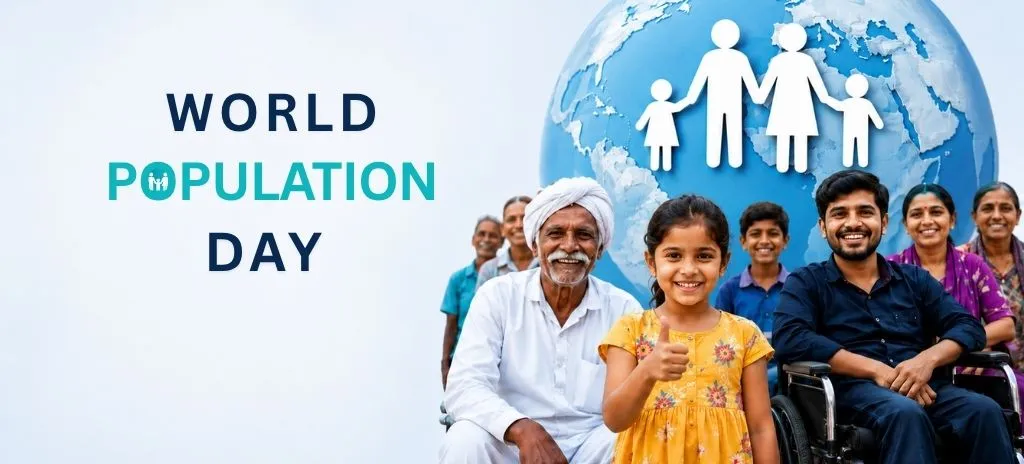


Every year on 11 July, the world comes together to observe World Population Day, a global awareness event that encourages conversations about population trends, healthcare, education, equality and sustainable development. While the world’s population continues to grow, the focus is not simply on numbers—it is about ensuring that every individual has access to opportunities that allow them to live healthy, dignified and fulfilling lives.
For millions of people living with disabilities, poverty and limited access to healthcare remain significant barriers to inclusion. This is why organisations such as Narayan Seva Sansthan continue to work towards creating a society where everyone, regardless of their circumstances, can receive the care and support they deserve.
As we mark World Population Day 2026, it is an opportunity to reflect on how communities, governments and charitable organisations can work together to build a healthier and more inclusive future.
What is World Population Day?
World Population Day is observed annually on 11 July to raise awareness of important population-related issues that affect communities worldwide. These include access to healthcare, education, gender equality, family planning, maternal health, poverty reduction and sustainable development.
Rather than focusing solely on population growth, the day highlights the importance of ensuring that every person has the opportunity to thrive. As populations increase and societies evolve, governments and organisations face the challenge of providing quality healthcare, education, employment and social support for all.
World Population Day reminds us that sustainable development depends not only on economic progress but also on creating inclusive communities where no one is left behind.
When is World Population Day 2026?
World Population Day 2026 will be observed on Saturday, 11 July 2026.
People around the world mark the occasion by organizing awareness campaigns, educational programs, community discussions and initiatives that encourage action towards improving health, equality and sustainable development.
History of World Population Day
World Population Day was established in 1989 by the United Nations Development Programme (UNDP). The idea was inspired by the global interest generated when the world’s population reached five billion people on 11 July 1987, a milestone often referred to as the “Day of Five Billion.”
Since then, the annual observance has encouraged governments, policymakers, healthcare professionals, charities and communities to address the opportunities and challenges associated with population growth. Over the years, the day has expanded its focus to include issues such as reproductive health, women’s empowerment, education, environmental sustainability and equal access to healthcare.
World Population Day 2026 Theme
At the time of writing, the official World Population Day 2026 theme has not yet been announced by the United Nations Population Fund (UNFPA).
Each year, the theme reflects a pressing global issue related to population, health and sustainable development. Once announced, it will guide awareness campaigns and discussions across the world.
Why Population Growth Matters
The world’s growing population brings both opportunities and challenges. Larger populations can contribute to innovation, economic development and cultural diversity. However, they also increase the demand for healthcare services, education, housing, clean water, employment and infrastructure.
Without adequate planning and investment, vulnerable groups—including people living with disabilities and children and families experiencing poverty—may face additional barriers to accessing essential services.
Population discussions therefore extend beyond numbers. They are about ensuring that development remains sustainable, equitable and inclusive for present and future generations.
Inclusive Healthcare: A Foundation for Sustainable Development
Access to healthcare is one of the most important factors in improving quality of life. Unfortunately, millions of people worldwide still struggle to obtain timely medical treatment due to financial hardship, geographical barriers or limited healthcare facilities.
Inclusive healthcare means ensuring that everyone—including people with disabilities, children and economically disadvantaged families—can access medical services without discrimination.
This includes:
- Early diagnosis and treatment
- Access to corrective surgeries
- Rehabilitation services
- Physiotherapy
- Assistive devices
- Community-based healthcare
- Health education and awareness
Investing in inclusive healthcare not only improves individual well-being but also strengthens communities by enabling people to participate fully in education, employment and social life.
Disability and Population Challenges
As populations grow and life expectancy increases, the number of people requiring rehabilitation and disability support services is also expected to rise.
Many individuals living with disabilities face obstacles such as the following:
- Limited access to quality healthcare
- Financial constraints
- Social stigma
- Educational barriers
- Reduced employment opportunities
- Lack of rehabilitation facilities
These challenges can significantly affect independence and quality of life. Addressing them requires collaborative efforts from governments, healthcare providers, charitable organisations and local communities.
Creating accessible healthcare systems and promoting disability inclusion are essential steps towards achieving sustainable development and equal opportunities for all.
How Narayan Seva Sansthan is Making a Difference
Narayan Seva Sansthan UK has spent decades supporting individuals and families through initiatives that promote healthcare, rehabilitation and empowerment.
The organization works to improve lives by providing services such as
- Free corrective surgeries for eligible individuals with disabilities
- Physiotherapy and rehabilitation support
- Assistive aids and mobility devices
- Education for children with disabilities
- Skill development and vocational training
- Community welfare programmes
- Support for economically disadvantaged families
These initiatives help individuals regain confidence, improve mobility and become more independent, enabling them to participate more actively in their communities.
For supporters in the UK, contributing to these programs is an opportunity to help transform lives and promote greater inclusion for people who need it most.
Why Charitable Organisations Play an Important Role
While governments play a vital role in delivering healthcare and social services, charities often reach communities that may otherwise struggle to access support.
Charitable organisations can:
- Deliver healthcare to underserved populations
- Raise awareness about disability inclusion
- Support rehabilitation programmes
- Promote education and skills development
- Encourage community participation
- Respond quickly to urgent healthcare needs
Through partnerships, fundraising and volunteer support, charities help bridge gaps and create opportunities for vulnerable individuals to live healthier and more independent lives.
How You Can Support a More Inclusive Future
Everyone has a role to play in creating a society where healthcare and opportunities are accessible to all.
You can make a difference by:
- Supporting organisations that provide healthcare and rehabilitation services.
- Donating to programs that fund corrective surgeries, education and disability support.
- Volunteering your time or professional skills.
- Raising awareness about disability inclusion within your community.
- Encouraging equal opportunities in education and employment.
- Sharing reliable information about global health and sustainable development.
Even small actions can contribute to meaningful, long-term change.
Looking Ahead
World Population Day is more than an annual observance—it is a reminder that every individual deserves the chance to live a healthy, dignified and fulfilling life.
As communities continue to grow, the need for accessible healthcare, disability inclusion and equal opportunities becomes increasingly important. Sustainable development can only be achieved when everyone has access to the services and support they need to reach their full potential.
By supporting organisations such as Narayan Seva Sansthan, individuals and communities can help ensure that vulnerable people receive life-changing medical care, rehabilitation and opportunities for a brighter future.
This World Population Day 2026, let us celebrate not only the world’s population but also our shared responsibility to build a more compassionate, inclusive and equitable society.