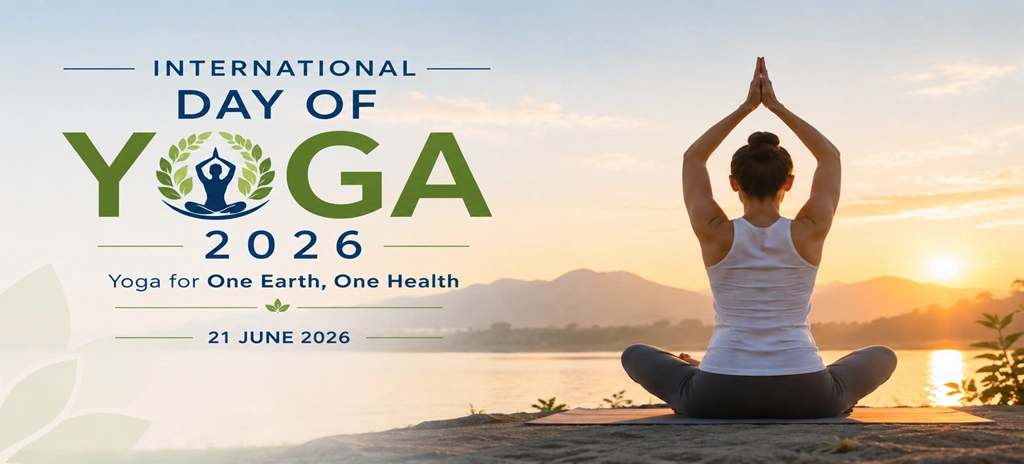


International Yoga Day 2026, observed annually on 21 June, adopts the official theme “Yoga for Healthy Aging.” This theme invites a thoughtful examination of how yoga—a profound system uniting physical discipline, breath awareness, and meditative insight—can support sustained mobility, cognitive sharpness, emotional resilience, and overall well-being across the lifespan, offering UK readers a sophisticated, evidence-informed approach to aging with agency and grace.
Date and Time of International Yoga Day 2026
International Yoga Day is celebrated every year on 21 June. In 2026, it falls on Sunday, 21 June. Events across the UK and globally typically begin at sunrise or early morning (around 6:00–8:00 AM local time) and continue throughout the day, aligning with the summer solstice—the longest day of the year in the Northern Hemisphere. Many UK gatherings, including those in London, Birmingham, and Manchester, feature morning mass yoga sessions followed by workshops and discussions.
History of International Yoga Day
The idea for a dedicated International Day of Yoga was proposed by Indian Prime Minister Narendra Modi during his address to the United Nations General Assembly on 27 September 2014. The proposal received unprecedented support, with a record 175 nations co-sponsoring the resolution. On 11 December 2014, the United Nations unanimously declared 21 June as International Yoga Day. The first global celebration took place on 21 June 2015.
Rooted in India’s ancient traditions, yoga dates back over 5,000 years to the Indus Valley Civilization. The United Nations recognizes yoga as a holistic practice that promotes harmony between mind and body, aligning with its Sustainable Development Goals for health and wellbeing.
Why the 2026 Theme “Yoga for Healthy Ageing” Matters
With global populations aging rapidly, the 2026 theme “Yoga for Healthy Aging” addresses a critical need: enhancing quality of life alongside longevity. Announced by India’s Ministry of AYUSH, it positions yoga as an accessible, non-pharmacological tool for maintaining independence, physical function, and mental clarity in later life.
Evidence-Based Benefits for Thoughtful Practitioners
Scientific literature increasingly validates yoga’s contributions to healthy aging:
- Balance, Mobility, and Fall Prevention: Regular practice improves postural stability and gait, reducing injury risk.
- Musculoskeletal Health: Enhanced flexibility, strength, and joint function help manage stiffness and arthritis.
- Cardiovascular and Restorative Effects: Benefits include better blood pressure regulation, improved sleep quality, and cardiometabolic health.
- Mental and Cognitive Resilience: Reductions in stress, anxiety, and depressive symptoms, plus support for focus and emotional equilibrium.
These outcomes are most effective through consistent practice — ideally 10–20 minutes daily or around 150 minutes weekly.
Inclusive Yoga: Narayan Seva Sansthan’s Commitment
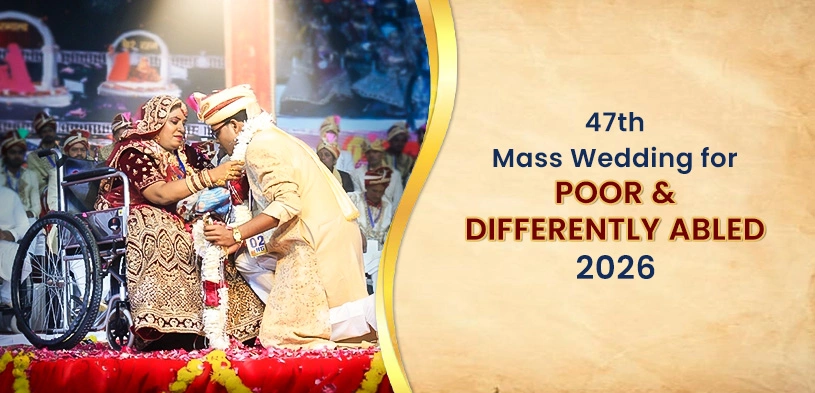
Narayan Seva Sansthan UK demonstrates yoga’s universal accessibility through its work with differently abled individuals (Divyangjan) in India. Free corrective surgeries, artificial limbs, rehabilitation programs, and skill development are complemented by adapted yoga practices—gentle asanas, pranayama, and meditation—that foster physical progress, dignity, and social inclusion.
UK supporters can contribute meaningfully through donations (eligible for Gift Aid).
Practical Integration: A Reflective Routine for Healthy Ageing
Consider this accessible sequence suitable for home practice (consult a healthcare professional first):
Tadasana (Mountain Pose) — Builds postural awareness and balance.
Gentle Seated Twist (Vakrasana variation)—Enhances spinal mobility.
Cat-Cow Pose — Coordinates breath with movement.
Seated Forward Fold — Promotes release and calm. Conclude with 5 minutes of mindful breathing or meditation. Track changes in energy, mood, and mobility over time.
Celebrating International Yoga Day 2026 in the UK
Join events in London, Birmingham’s Victoria Square, Manchester, Edinburgh, and local parks or studios. Many sessions follow the Common Yoga Protocol, a 45-minute sequence suitable for all levels.
This International Yoga Day 2026, embrace “Yoga for Healthy Aging” as both personal discipline and a call to compassion.
FAQ’s
Q. When is International Yoga Day 2026?
A. International Yoga Day 2026 will be celebrated on Sunday, 21 June 2026.
Q. What is the official theme of International Yoga Day 2026?
A. The official theme for 2026 is “Yoga for Healthy Aging.” It emphasizes the role of yoga in promoting mobility and strength.
Q. Why is “Yoga for Healthy Aging” important for people in the UK?
A. With an aging population, the theme highlights yoga’s proven benefits for balance.
Q. What are the main benefits of yoga for healthy aging?
A. Regular yoga practice improves balance and mobility, increases flexibility, supports heart health, enhances sleep quality, and reduces anxiety and depression.
Q. How can beginners in the UK start practicing yoga for healthy aging?
A. Start with 10–15 minutes daily. Simple poses like Tadasana (Mountain Pose), Cat-Cow, and gentle seated twists are excellent for beginners.
Q. Are there International Yoga Day events in the UK in 2026?
A. Yes. Major events are expected in London, Birmingham (Victoria Square), Manchester, Edinburgh, and other cities.
Q. How is Narayan Seva Sansthan involved in International Yoga Day?
A. Narayan Seva Sansthan organizes inclusive yoga sessions for differently abled people (Divyangjan) as part of their rehabilitation programs.
Q. How can UK residents support Narayan Seva Sansthan on International Yoga Day?
A. You can donate (with the Gift Aid benefit), sponsor a surgery or artificial limb, or spread awareness. Every contribution helps make yoga and medical rehabilitation accessible to those who need it most.