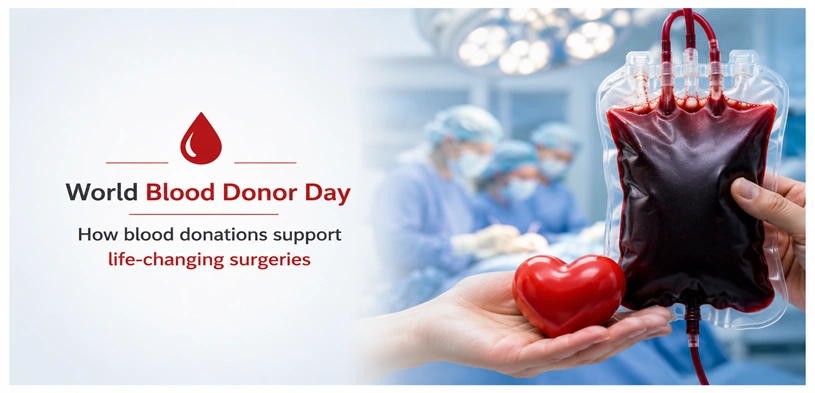


Every year on 14 June, the global community comes together to observe World Blood Donor Day, a campaign dedicated to raising awareness about the importance of safe blood and recognising the generosity of voluntary donors. While blood donation is often associated with emergency situations, its impact extends far beyond accident and trauma care.
Across hospitals and healthcare institutions worldwide, donated blood is essential for supporting life-changing surgeries, enabling medical teams to perform complex procedures safely and helping patients recover more effectively. For individuals living with disabilities or medical conditions requiring surgical intervention, access to safe blood can play a crucial role in transforming lives.
As we mark World Blood Donor Day 2026, it is important to understand how every donation contributes to better healthcare outcomes and provides hope to patients in need.
The Importance of Blood Donation in Modern Healthcare
Blood is one of the most valuable resources in healthcare, yet it cannot be manufactured artificially. Medical facilities rely entirely on voluntary donors to maintain sufficient supplies for surgeries, treatments, and emergency care.
Donated blood is separated into several components, each serving different medical purposes:
- Red blood cells for oxygen transportation
- Platelets for blood clotting
- Plasma for treating burns, trauma, and clotting disorders
- Cryoprecipitate for managing bleeding conditions
Because each component can be used for different patients, a single donation has the potential to impact multiple lives.
How Blood Donations Support Life-Changing Surgeries
Many surgical procedures require blood transfusions before, during, or after an operation. Surgeons depend on a stable blood supply to manage blood loss and ensure patient safety.
Blood donations are particularly important for:
- Orthopaedic surgeries
- Corrective surgeries for disabilities
- Reconstructive procedures
- Paediatric surgeries
- Trauma-related operations
- Cancer treatments
- Major medical interventions
Without access to donated blood, many essential procedures would face delays or increased risks.
Blood Donation and Disability Rehabilitation
For many individuals living with physical disabilities, surgery can be a transformative step toward greater independence and mobility.
Corrective and reconstructive procedures often help address:
- Congenital deformities
- Musculoskeletal conditions
- Limb-related disabilities
- Mobility impairments
- Orthopaedic disorders
Successful outcomes from these interventions frequently depend on access to safe blood products. By supporting surgical care, blood donors indirectly contribute to disability rehabilitation and improved quality of life for countless individuals.
Supporting Prosthetic and Orthopaedic Treatment Programmes
Many patients undergoing orthopaedic treatment or preparing to receive prosthetic support require surgical procedures as part of their rehabilitation journey.
Medical interventions may include:
- Limb reconstruction surgeries
- Orthopaedic corrections
- Joint-related procedures
- Pre-prosthetic surgical treatments
Blood availability helps healthcare professionals perform these procedures more effectively, ensuring that patients can continue their rehabilitation and regain independence.
The Role of Blood Donation in Patient Recovery
The importance of donated blood does not end in the operating theatre.
Following surgery, transfusions may help patients:
- Restore healthy blood levels
- Improve oxygen circulation
- Reduce surgical complications
- Accelerate recovery
- Strengthen physical rehabilitation outcomes
A strong recovery process enables patients to return to daily activities, employment, education, and community participation more quickly.
Why Voluntary Blood Donors Are Essential
Healthcare systems across the world depend on a consistent supply of donated blood. Voluntary donors play a critical role in ensuring that hospitals can respond to both planned surgeries and unexpected emergencies.
Regular blood donation helps:
- Maintain adequate blood reserves
- Improve healthcare preparedness
- Support complex medical treatments
- Save lives during emergencies
- Strengthen community healthcare systems
Every donor becomes an important partner in supporting patient care and recovery.
Creating a Healthier and More Inclusive Society
Access to quality healthcare is fundamental to building inclusive communities where everyone has the opportunity to thrive.
When individuals donate blood, they support:
- Life-saving medical interventions
- Disability rehabilitation programmes
- Surgical treatment initiatives
- Emergency healthcare services
- Long-term patient wellbeing
Their contribution helps create pathways toward greater independence, dignity, and opportunity for people facing health challenges.
Narayan Seva Sansthan’s Commitment to Healthcare and Rehabilitation
At Narayan Seva Sansthan, we recognise the profound impact that accessible healthcare can have on an individual’s life. Through corrective surgeries, rehabilitation programmes, assistive devices, and empowerment initiatives, thousands of individuals receive opportunities to overcome physical challenges and achieve greater independence.
The success of these healthcare efforts relies on collective compassion—from medical professionals and supporters to voluntary blood donors whose contributions help make life-changing treatments possible.
Conclusion: Every Blood Donation Has the Power to Change a Life
World Blood Donor Day 2026 is an opportunity to celebrate the generosity of donors whose contributions support surgeries, rehabilitation programmes, and critical medical treatments around the world.
Whether helping a child undergo corrective surgery, supporting an individual on their rehabilitation journey, or assisting a patient recovering from a major procedure, donated blood remains one of the most powerful gifts a person can give.
This World Blood Donor Day, consider becoming a donor or encouraging others to do the same. A single donation can help save lives, support life-changing surgeries, and bring hope to those who need it most.