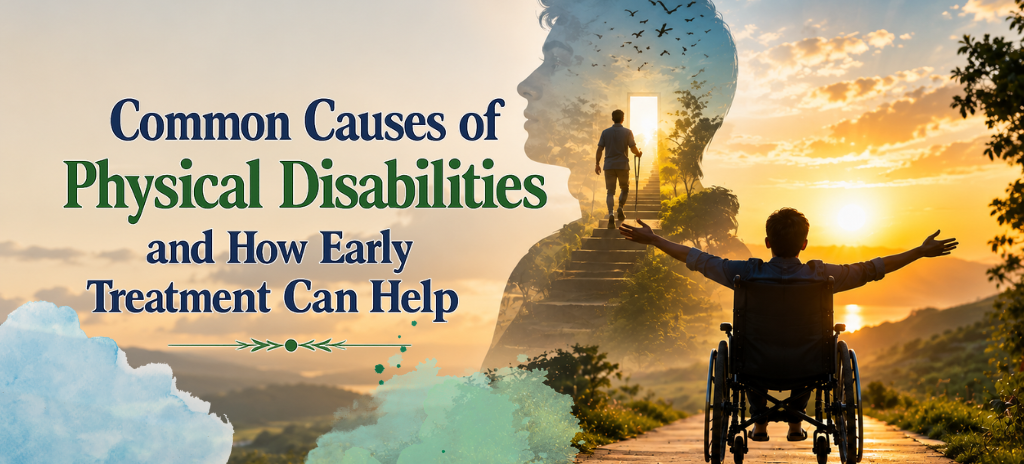


Imagine a child taking their first independent steps after years of struggling with a physical disability. Or an accident survivor returning to work with the support of rehabilitation and a prosthetic limb. These moments may seem extraordinary, but they often begin with one simple decision—seeking treatment early.
A physical disability can affect a person’s movement, strength, balance, or ability to perform everyday tasks. While some disabilities are present at birth, others develop due to accidents, illnesses, or age-related conditions. The encouraging news is that many people can lead active, independent lives when they receive timely medical care, rehabilitation, and ongoing support.
In this article, we’ll explore the common causes of physical disabilities, why early treatment matters, and how organisations like Narayan Seva UK are helping transform lives through accessible healthcare and rehabilitation.
What Is a Physical Disability?
A physical disability is a condition that limits a person’s mobility, coordination, or physical functioning. It may affect the arms, legs, spine, muscles, or joints, making everyday activities such as walking, climbing stairs, writing, or lifting objects more challenging.
Physical disabilities can be temporary or permanent and vary in severity. However, with the right treatment and rehabilitation, many individuals can improve their mobility, confidence, and quality of life.
Common Causes of Physical Disabilities
Understanding the causes of physical disabilities is the first step towards prevention, early diagnosis, and effective treatment.
1. Congenital Conditions
Some children are born with physical disabilities due to genetic or developmental conditions. These may include clubfoot, limb differences, spina bifida, or cerebral palsy. Early diagnosis and specialized treatment can significantly improve mobility and physical development.
2. Birth Complications
Complications during pregnancy or childbirth, such as oxygen deprivation or premature birth, can sometimes affect a child’s muscle control and movement. Early physiotherapy and medical intervention can help children reach important developmental milestones.
3. Road Traffic Accidents and Trauma
Serious injuries from road accidents, workplace incidents, or falls are among the leading causes of acquired physical disabilities. Fractures, spinal cord injuries, and limb amputations often require surgery, rehabilitation, and assistive devices to restore independence.
4. Neurological Disorders
Conditions such as stroke, multiple sclerosis, muscular dystrophy, and Parkinson’s disease can gradually affect movement, coordination, and balance. Timely medical care and rehabilitation help people maintain their mobility for longer.
5. Bone and Joint Disorders
Diseases such as osteoporosis, arthritis, and severe bone deformities can reduce mobility and increase the risk of fractures. Early diagnosis, medication, physiotherapy, and lifestyle changes play a vital role in preventing long-term disability.
6. Infections and Medical Conditions
Certain infections, untreated injuries, or chronic diseases can lead to physical impairments if not managed promptly. Access to healthcare and regular medical check-ups are essential in reducing these risks.
Why Early Treatment Makes a Difference
When it comes to disability treatment, timing can have a lasting impact. Early intervention doesn’t always mean a complete cure, but it often helps prevent complications and improves long-term outcomes.
Seeking treatment early can:
- Improve mobility and physical function
- Reduce pain and discomfort
- Prevent further complications
- Increase independence in daily activities
- Support children’s physical and emotional development
- Enhance confidence and overall quality of life
For many families, early treatment also reduces the emotional and financial burden associated with long-term disability care.
The Role of Rehabilitation in Recovery
Treatment doesn’t end after surgery or diagnosis. Recovery is an ongoing journey that often includes disability rehabilitation, helping individuals adapt, regain strength, and rebuild their confidence.
A comprehensive rehabilitation program may include
- Physiotherapy to improve movement and flexibility
- Occupational therapy for everyday living skills
- Corrective surgery where appropriate
- Prosthetic limbs and orthotic support
- Mobility aids such as wheelchairs, calipers, and walkers
- Vocational training to encourage financial independence
Rehabilitation is not just about physical recovery—it’s about helping people participate fully in education, employment, and community life.
Making Quality Disability Care Accessible
For many families, the greatest challenge isn’t recognizing the need for treatment—it’s being able to afford it. The cost of surgeries, rehabilitation, assistive devices, and long-term care can place a significant financial strain on households.
This is where charitable organisations play an important role in bridging the gap between need and access.
Narayan Seva UK, through its support of humanitarian initiatives, helps provide access to life-changing services for people with physical disabilities. These include free corrective surgeries, rehabilitation programs, mobility aids, and modern prosthetic limbs for individuals from economically disadvantaged backgrounds.
One of the organization’s most impactful initiatives is the provision of Japanese and German technology-based 3D-printed Narayan Modular Artificial Limbs, designed to improve comfort, mobility, and independence. Every prosthetic limb is carefully customized to suit the individual’s needs, followed by rehabilitation and gait training to help them regain confidence in everyday life.
By combining advanced healthcare with compassionate support, these initiatives help individuals move beyond disability and build a brighter future.
Creating a More Inclusive Society
People with physical disabilities deserve equal opportunities to learn, work, travel, and live independently. Building an inclusive society requires more than medical treatment—it calls for awareness, accessibility, community support, and compassion.
Governments, healthcare professionals, charities, businesses, and individuals all have a role to play in breaking barriers and creating environments where everyone can thrive, regardless of physical ability.
Every act of support, whether through volunteering, fundraising, advocacy, or donating, contributes to a future where disability is not a limitation but simply one aspect of a person’s journey.
Final Thoughts
A physical disability can change a person’s life, but it doesn’t have to define it. With early diagnosis, timely treatment, effective rehabilitation, and access to quality healthcare, many individuals can regain mobility, independence, and hope.
Supporting organisations that provide life-changing disability care can make this journey possible for thousands of people who might otherwise go without treatment.
At Narayan Seva UK, every contribution helps provide corrective surgeries, rehabilitation, artificial limbs, and mobility support to people with physical disabilities, empowering them to lead more independent and fulfilling lives.
Support Disability Care Today
Your generosity can help someone take their first steps towards independence. Donate to Narayan Seva UK and be part of a mission that restores mobility, dignity, and hope to people living with physical disabilities.