

Corrective surgery can be a life-changing milestone for individuals living with physical disabilities. Whether performed to improve mobility, correct congenital conditions, or reduce pain, surgery is often the first step in a much longer journey towards independence and improved quality of life.
However, many patients and their families wonder what comes next. How long does recovery take? What challenges might arise? Will rehabilitation be necessary? Understanding the recovery process helps set realistic expectations and highlights why ongoing medical care and rehabilitation are just as important as the surgery itself.
What Is Corrective Surgery?
Corrective surgery refers to surgical procedures designed to improve physical function, correct deformities, or enhance mobility caused by congenital conditions, injuries, or other musculoskeletal disorders. While every patient’s condition is unique, the overall goal is to improve daily functioning and enable greater independence.
For many children and adults with physical disabilities, corrective surgery can create opportunities that were previously out of reach, from walking with greater confidence to participating more actively in education, work, and community life.
What Happens Immediately After Surgery?
Following corrective surgery, patients remain under medical supervision while healthcare professionals monitor healing, manage pain, and prevent complications.
During the first few days, patients may experience swelling, discomfort, and temporary limitations in movement. These are common parts of the healing process and are carefully managed through medication, rest, and regular medical assessments.
Families also receive guidance on wound care, medication schedules, nutrition, and follow-up appointments to support recovery at home.
The Importance of Rehabilitation
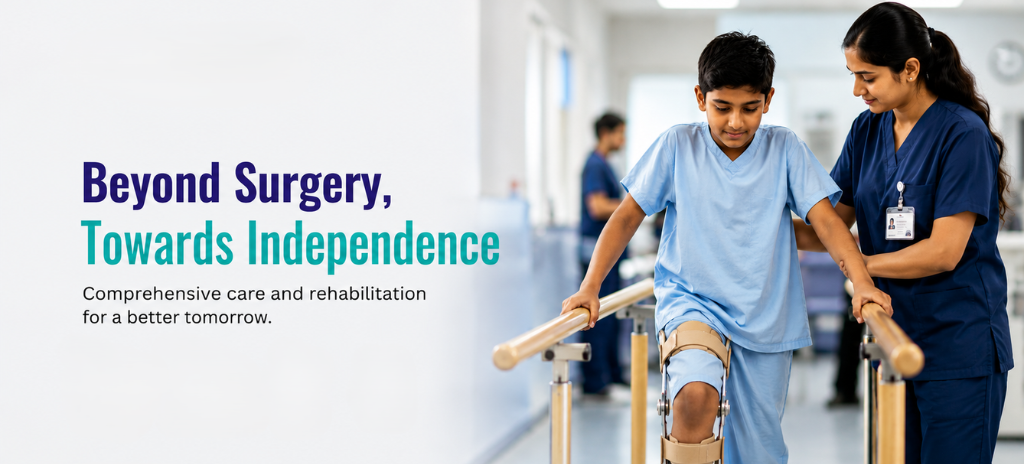
Recovery does not end when the operation is complete. Rehabilitation plays a vital role in helping patients regain strength, improve flexibility, and adapt to changes following surgery.
Depending on the procedure, rehabilitation may include physiotherapy, mobility training, stretching exercises, and muscle strengthening. These therapies help restore movement while reducing the risk of stiffness or muscle weakness.
For children, rehabilitation also supports developmental milestones, allowing them to become more active and independent as they grow.
Benefits of Corrective Surgery
Corrective surgery can offer significant long-term benefits when combined with appropriate rehabilitation and follow-up care.
Many patients experience improved mobility, allowing them to perform daily activities with greater ease. Reduced pain and better posture often contribute to improved physical comfort and overall wellbeing.
Children who receive timely treatment may gain greater confidence to participate in school, sports, and social activities. Adults may also benefit from increased independence, making it easier to pursue education, employment, and community engagement.
Perhaps the greatest benefit is the opportunity to enjoy a better quality of life with fewer physical limitations.
Recovery Challenges Patients May Face
Although corrective surgery offers many positive outcomes, recovery requires patience and commitment.
Some individuals may experience temporary pain, swelling, muscle weakness, or fatigue while their body heals. Rehabilitation exercises can sometimes feel demanding, particularly during the early stages of recovery.
Progress also varies from one person to another. Factors such as age, the nature of the disability, overall health, and adherence to rehabilitation programs all influence recovery time.
These challenges are generally temporary and can often be managed successfully with ongoing medical guidance and family support.
Are There Any Risks?
Like all surgical procedures, corrective surgery carries certain medical risks, including infection, bleeding, delayed wound healing, or reactions to anesthesia. In some cases, additional procedures or extended rehabilitation may be required to achieve the best possible outcome.
However, these risks are carefully assessed before surgery, and experienced healthcare teams take every precaution to minimize complications.
Following medical advice and attending scheduled follow-up appointments significantly improves the chances of a successful recovery.
The Role of Family Support
Family members play an essential role throughout the recovery journey.
Encouraging patients to complete rehabilitation exercises, attend follow-up appointments, maintain a balanced diet, and stay motivated can have a meaningful impact on long-term recovery.
Emotional support is equally important. Celebrating small improvements helps build confidence and encourages patients to remain committed to their rehabilitation program.
How Narayan Seva Sansthan Supports Recovery Beyond Surgery
At Narayan Seva Sansthan UK, support extends beyond the operating theater. The organization believes that successful treatment requires a holistic approach that includes rehabilitation, physiotherapy, mobility support, assistive devices, education, and long-term care.
Through its charitable initiatives, Narayan Seva Sansthan helps individuals with disabilities receive the comprehensive support they need to rebuild their confidence, regain independence, and improve their quality of life.
By addressing both medical and rehabilitation needs, the organization empowers beneficiaries to participate more actively in their families, schools, workplaces, and communities.
Looking Towards a More Independent Future
Corrective surgery is not the end of the journey—it is the beginning of a new chapter. While recovery may require time, determination, and ongoing rehabilitation, the long-term outcomes can be truly transformative.
With the right medical care, rehabilitation, and family support, many individuals achieve greater mobility, increased independence, and renewed confidence. Every step forward represents progress towards a future where physical limitations no longer define a person’s potential.
For organisations like Narayan Seva Sansthan UK, the mission is not simply to perform life-changing surgeries but to ensure that every individual has the opportunity to recover, thrive, and live with dignity.