

World NGO Day serves as a reminder that any meaningful change does not tend to begin with simply talking about it, but it begins with small acts of kindness. As we celebrate World NGO Day 2026, the emphasis once again shifts to the non-profit organisations in the UK that are tirelessly working to dignify as well as rebuild lives, and open opportunities to those who are marginalised.
With the inequalities constantly growing, healthcare becoming costlier, and social vulnerabilities becoming more common, NGOs can offer some hope. They intervene where there are gaps, so that care, education, rehabilitation, and basic human assistance are provided to individuals who require it the most. This is not just a recognition day; it is a day of appreciation and involvement.
“When we lead with compassion, then change begins.”
Understanding the Significance of World NGO Day 2026
The World NGO Day is not merely a symbolic event. It is a global acknowledgement of the thousands of organisations that devote their resources to social good. In the UK, non-governmental organizations (NGOs) have a crucial role in community empowerment by reducing healthcare disparity, increasing the inclusion of the disabled, and providing access to education.
NGOs have never been so relevant as in 2026. Millions of individuals around the globe are still experiencing healthcare disparities and social exclusion. As a matter of fact, approximately 305 million individuals are in need of humanitarian aid across the globe. The UK charities and non-profits respond to a crisis with well-organised programmes that not only focus on immediate relief but also on long-term development.
This day is a reminder to individuals about the power of collective action to transform lives and the feasibility of long-term support to make long-term change.
The Power of NGOs in Driving Real Change
1. Restoring Health and Mobility
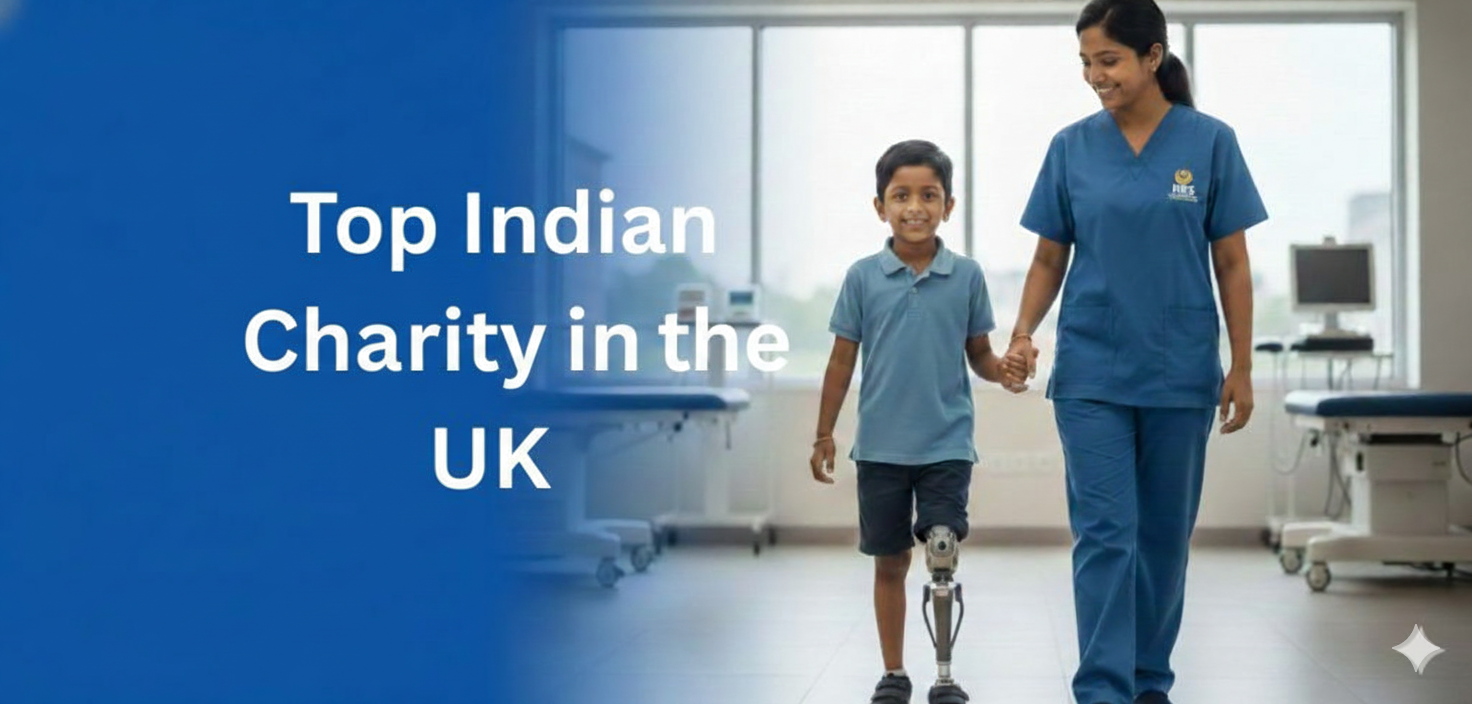
Access to healthcare is a serious problem for vulnerable populations on an international level. The non-profits, such as Narayan Seva Sansthan, are focused on the provision of free medical care and even corrective surgeries to the people who would have no access to treatment at all.
Such life-transforming programmes involve specialised programmes such as corrective surgeries and post-surgery treatment. These kinds of services restore movement, therefore, allowing individuals to resume working, attending school, and social life.
To a person who has lived with disability or pain for years, medical intervention is not only treatment, but it is a transformation.
“Healing is not a charity; it is a human right.”
2. Empowering the Disabled
The real inclusion is not just about treatment. NGOs involved in the field of disability support are concerned with the areas of rehabilitation, assistive devices, mobility aids, and long-term empowerment. These programmes disrupt dependency and social isolation by making people independent again.
People with disabilities are given the opportunity to be actively involved in society through skill development, vocational training, and community integration programmes. This empowerment not only benefits an individual but also the family and the community.
3. Combating Hunger and Basic Insecurity
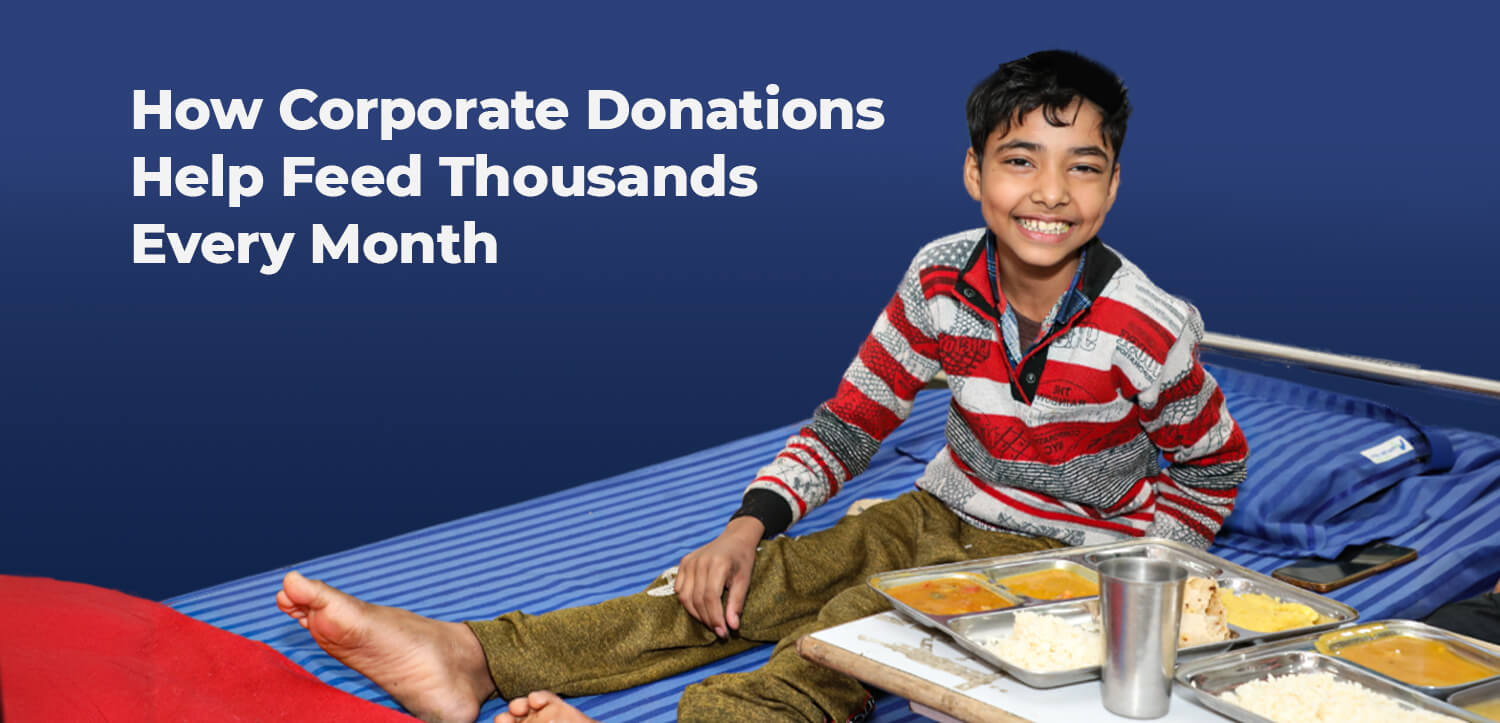
Food insecurity is also a major problem among poor families. NGOs also play a key role in providing healthy meals and food delivery programmes to individuals who are economically challenged.
These programmes tend to assist individuals when they are recovering in hospitals, those with disabilities in the neighbourhoods, and communities with insufficient resources. The frequent food assistance not only fulfils the hunger but also reinforces the health outcome and well-being.
With the fulfilment of basic needs, people will be able to concentrate on recovery, learning, and self-development.
4. Education as a Long-term Impact Tool
One of the strongest tools that NGOs employ to bring about sustainable change is education. Non-profits make sure that children with disadvantaged backgrounds do not fall behind in terms of accessing education and learning materials, as well as access to educational opportunities.
Education-based programmes are intended to end the cycle of poverty between generations by providing the youthful minds with the means to dream, study, and realise. Education and healthcare, together with family support increases the effects.
5. Skill Development and Self-Reliance
In addition to direct assistance, NGOs are now giving more attention to the development of livelihood. Skill-based training programmes enable people to acquire useful trades that can make them have a stable income and live a respected life.
For example, Narayan Seva Sansthan UK provides vocational training to the underprivileged to make them independent. Their skill development courses are free of cost and include sewing training, mobile repairing, computer courses, etc. This is a great initiative to help the underprivileged people.
NGOs encourage self-reliance by investing in skills instead of dependency. These programmes enable beneficiaries to be able to sustain themselves and their families even when the charitable intervention stops.
How Volunteers Help NGOs Drive the Change
The world is becoming increasingly complicated in its issues, and cooperation is necessary. NGOs, communities, institutions, and individuals should collaborate to deal with health inequities, disability inclusion, and social empowerment. The efficient NGOs are all driven by people who volunteer, contribute their resources to the non-governmental organisations, and supporters who find a way to raise their voices. Community participation has been a source of effective non-profit work in the UK.
Be it in the form of fundraising events or creating awareness, voluntary participation brings empathy to any charity-related project. Donors ensure that needy people have access to charity programmes.
Moreover, the World NGO Day honours such volunteers and other supporters who assist in changing lives. Therefore, World NGO Day 2026 is a call to action. Even small contributions, when compounded, bring huge differences.
“One mission. Many hands. Endless hope.”
Conclusion
World NGO Day 2026 is the day on which we recognise the organisations that dedicate their lives to serving, curing, and empowering. Non-profits continue to save lives in the UK and elsewhere around the world through providing free medical services and education, along with training individuals.
Their struggle is a lesson to the world that kindness, when strategised and sustained, can change destinies. This is a significant day when we realise how vast the effect of such initiatives is and what hope they give to millions of lives.
Narayan Seva Sansthan UK has been one of such inspiring initiatives, still playing a crucial role in providing charity services and empowerment programmes to make sure that humanity and opportunity are central to service delivery.
FAQs
-
What is World NGO Day 2026?
The world marks World NGO Day every year on 27th February, where the world recognises and appreciates the efforts of the non-governmental organisations all over the world.
-
What then is the role of NGOs in the UK?
NGOs occupy this gap (socially) and offer healthcare, disability services, education, and humanitarian services to the vulnerable members of society.
-
What should people do to encourage the activities of NGOs throughout the World NGO Day?
Individuals may offer their support to NGOs through donations, volunteering activities, and community involvement campaigns.
-
What is the type of activity that humanitarian NGOs are involved in?
They are concerned with medical treatment, rehabilitation, empowerment of the disabled, food, education, and empowerment of the disabled through skill development in order to be long-term.