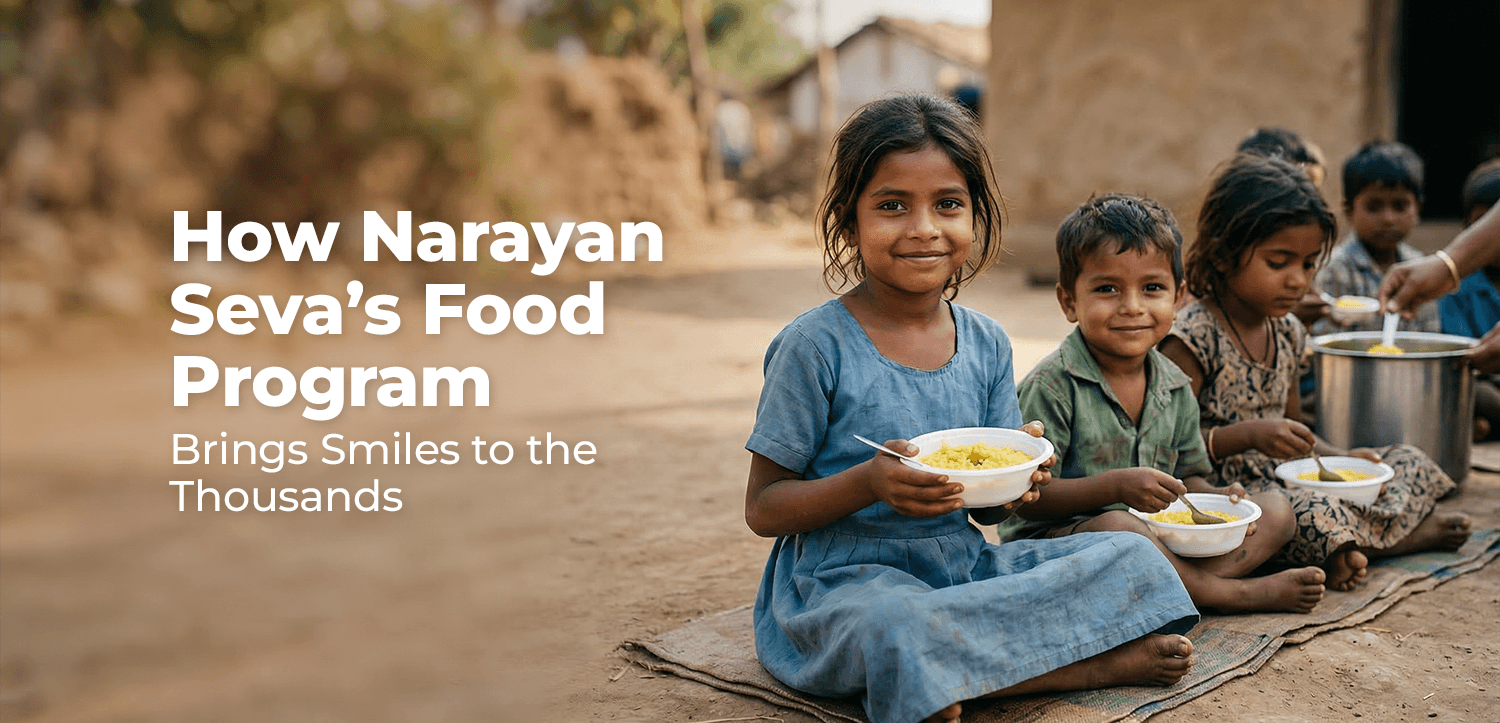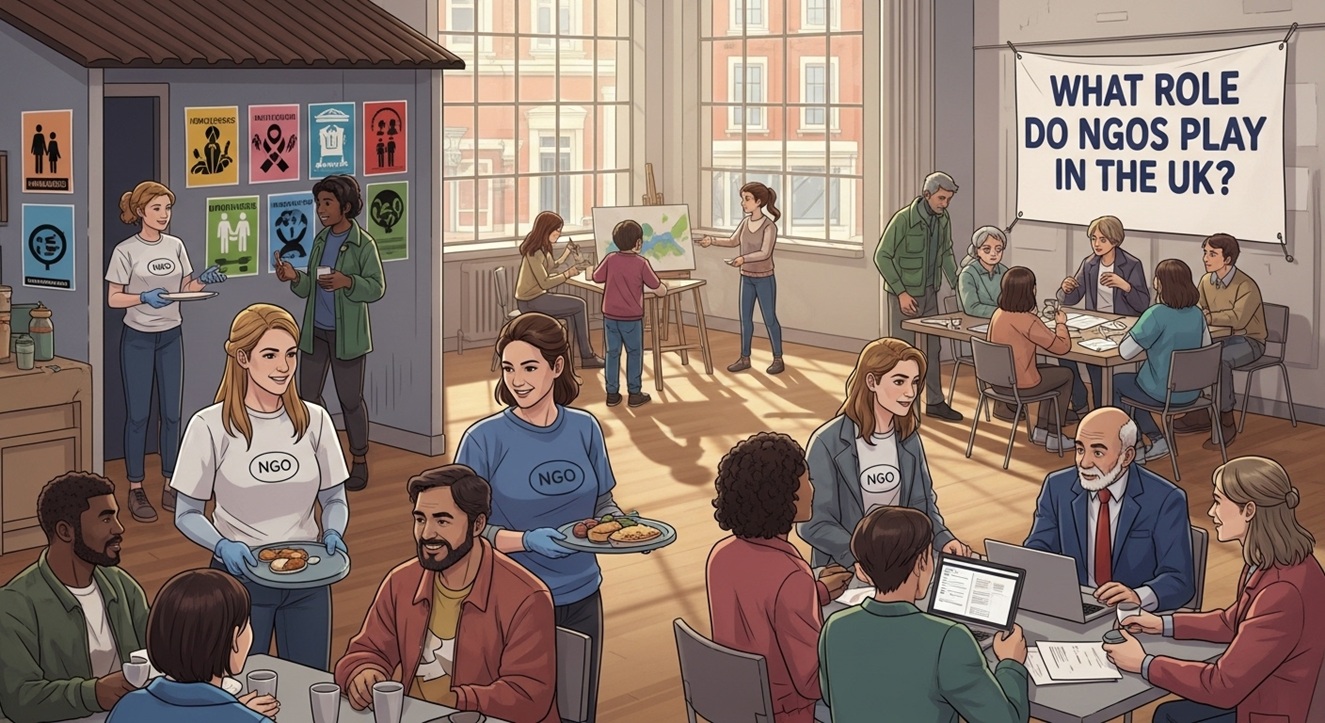


Hey there! Have you ever stopped to think—why are NGOs necessary in society? Especially in a country like the UK, where we have the NHS, benefits, and all kinds of support systems? The answer is simple but powerful: even in one of the world’s richest nations, there are still numerous people who struggle every single day. Many cannot afford their basic required things—even food—and have to depend on others just to get by.
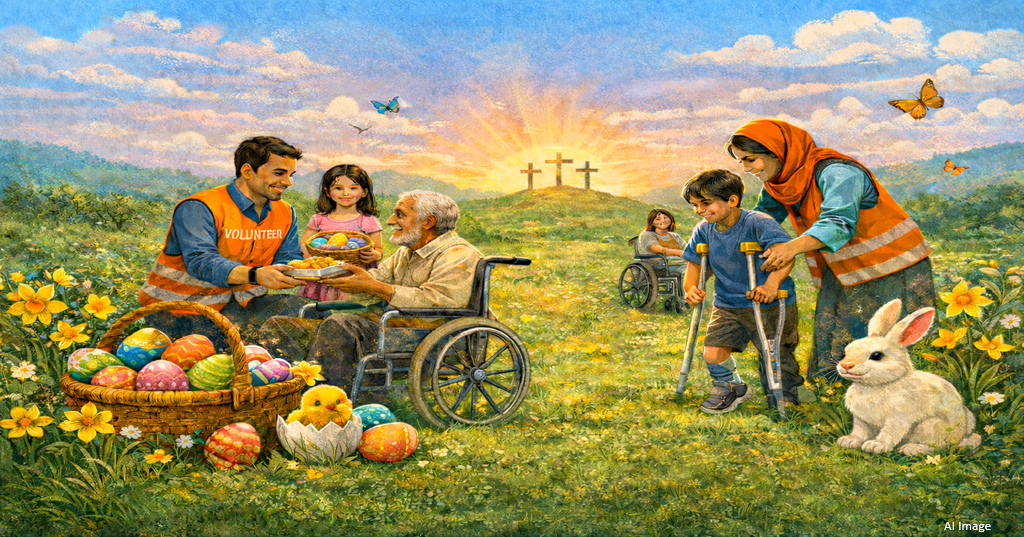
And when we talk about specially abled people (those with disabilities), the question gets even bigger. If there were no NGOs, how would they survive? How would they get the help they truly need?
It’s a big question, right? But thankfully, NGOs step in exactly where the gaps are. They make sure no one is left behind.
Without NGOs, Life Would Be Much Harder for Many
Think about it:
- There are families in the UK relying on food banks because wages don’t stretch far enough with rising costs.
- Specially abled people often face extra barriers—mobility issues, medical needs, education access, or even just getting clothes that fit properly.
- Government help is great, but it’s not always enough or fast enough for everyone. Waiting lists can be long, rules strict, and some needs fall through the cracks.
This is where NGOs become absolutely necessary. They provide that extra support—free services, quick help, and hope—when it’s needed most.
How NGOs Help Specially Abled People in Real Ways
Thanks to NGOs, specially abled people get free services like:
- Nutritious food and emergency supplies
- Warm clothes and essentials
- Education support and skill training
- Corrective surgeries
- Artificial limbs, wheelchairs, calipers, and other mobility aids
These aren’t just nice extras—they change lives. A child who gets a free artificial limb can walk to school for the first time. An adult who receives corrective surgery can work and support their family. Without NGOs, many would miss out on these life-changing opportunities.
Spotlight on Narayan Seva Sansthan UK — Making a Real Difference
One shining example right here in the UK is Narayan Seva Sansthan UK (Charity No: 1149630), a registered charity dedicated to helping underprivileged and specially abled people.
Through their work, they provide:
- Free corrective surgeries
- Artificial limbs and mobility aids
- Food, clothes, and essential aid
- Education and empowerment programs
Their mission reaches people not just in the UK but supports global efforts too—especially for those with disabilities who need a hand up. You can learn more and see their impact directly on Narayan Seva Sansthan UK site.
Donation to NGOs: Make Your Money Go Further + Save on Tax!
Here’s the best part for UK residents: when you donate to a registered charity like Narayan Seva Sansthan UK, you can make your donation stretch even more—and save on tax too!
- Gift Aid—Tick the box, and for every £1 you donate, the charity gets an extra 25p from HMRC (at no extra cost to you). So £10 becomes £12.50 for the cause!
- Tax saving—If you’re a higher-rate taxpayer (40% or 45%), you can claim even more relief on your tax return. It’s a win-win: you help people in need, and you reduce your tax bill.
Donating regularly (even small amounts) helps NGOs plan long-term—like funding more surgeries or providing ongoing support for specially abled individuals.
Ready to make a difference? Head over to Narayan Seva Sansthan UK Donate to the Page and start today. Your support really can change a life.
Final Thought: NGOs Are the Heart That Keeps Society Caring
NGOs are necessary because they bring compassion, speed, and specialized help where it’s needed most. They ensure specially abled people—and anyone struggling—don’t just survive, but thrive.
In the UK in 2026, with all the challenges we face, strong NGOs make our society kinder, fairer, and stronger.
If this resonates with you, why not take a small step?
Together, we can make sure no one is left behind.
What do you think—have you seen the impact of NGOs in your community?