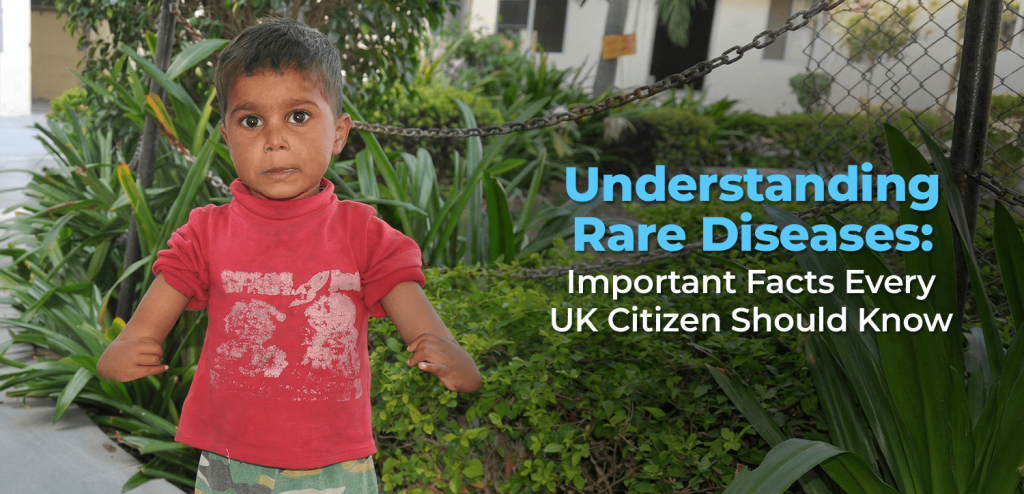


Rare diseases are often misinterpreted. They influence small groups of people as per the definition, but combined, they reach the lives of millions of people across the UK. This is a daunting experience for a family with a rare diagnosis, whether it is the challenge of obtaining an appropriate diagnosis and specialised treatment, or long-term recovery.
Besides the medical consequences, the problem of rare diseases can also be experienced in terms of education, emotional health, and financial condition, which is why a comprehensive approach should be chosen. Referrals to corrective surgeries and general support can significantly improve the quality of life when they are timely. The communities will be in a better position to support the affected individuals as soon as they are aware of the truth behind the rare diseases.
Let’s understand more about the rare diseases.
What Rare Diseases Actually Are?
The number of individuals with each rare disease is relatively small, but the total is quite high: in the UK, the population with a rare condition is estimated at 3.5 million (approximately 1 in 17 people). One of the reasons why UK health planners and charities target this scale of aggregation is the coordinated care and research, and earlier diagnosis.
Why does this matter? Most of the rare conditions are chronic, and most of them begin in childhood, and a considerable proportion of these conditions is hereditary or multi-disciplinary. Late diagnosis or the failure to obtain mobility and rehabilitation treatment can result in lost independence and a substandard quality of life. These are the problems that charities and health services seek to minimise using specific programmes and practical assistance.
6 Clear Signs To Seek Specialist Help
The following warning signs may demonstrate that it may be the most appropriate time to refer to a specialist or demand a genetics/referral pathway in the case of rare diseases.
- Chronic symptoms that do not fit a usual diagnosis, symptoms that always come back, no matter what is being done.
- Problems that can affect more than one of the organ systems (i.e. abnormal combination of neurological as well as skin manifestations).
- Symptoms that affect development, growth or mobility in childhood. Numerous hereditary disorders occur in early life.
- An untested disability history, frequent miscarriages or early mortality in the family, this may indicate inherited disorders.
- Multiple treatments or medical referrals that did not work out. When you hear that clinicians are not sure what they should do, ask about a pathway to rare diseases or a clinic specialist.
- The indications that restrict everyday functioning (severe fatigue, failure to attend school/work) are the indicators that should be coordinated in the planning of care.
When any of these are present, refer to a specialist service (genetics, neurology, metabolic, or rare-disease multidisciplinary teams). There is the possibility that early referral can reduce the time for rare diseases.
“Know the signs. Speak up for answers.”
How Charities Help?
The UK and the world have a lot of charities that offer practical services that directly contribute to the improvement of the quality of life of people with rare diseases.
Here are concrete services that make a difference, and examples of programmes a UK-registered charity like Narayan Seva Sansthan UK supports:
- Free corrective surgery and medical camps – a corrective surgery increases the functional capacity and eliminates a permanent disability in life.
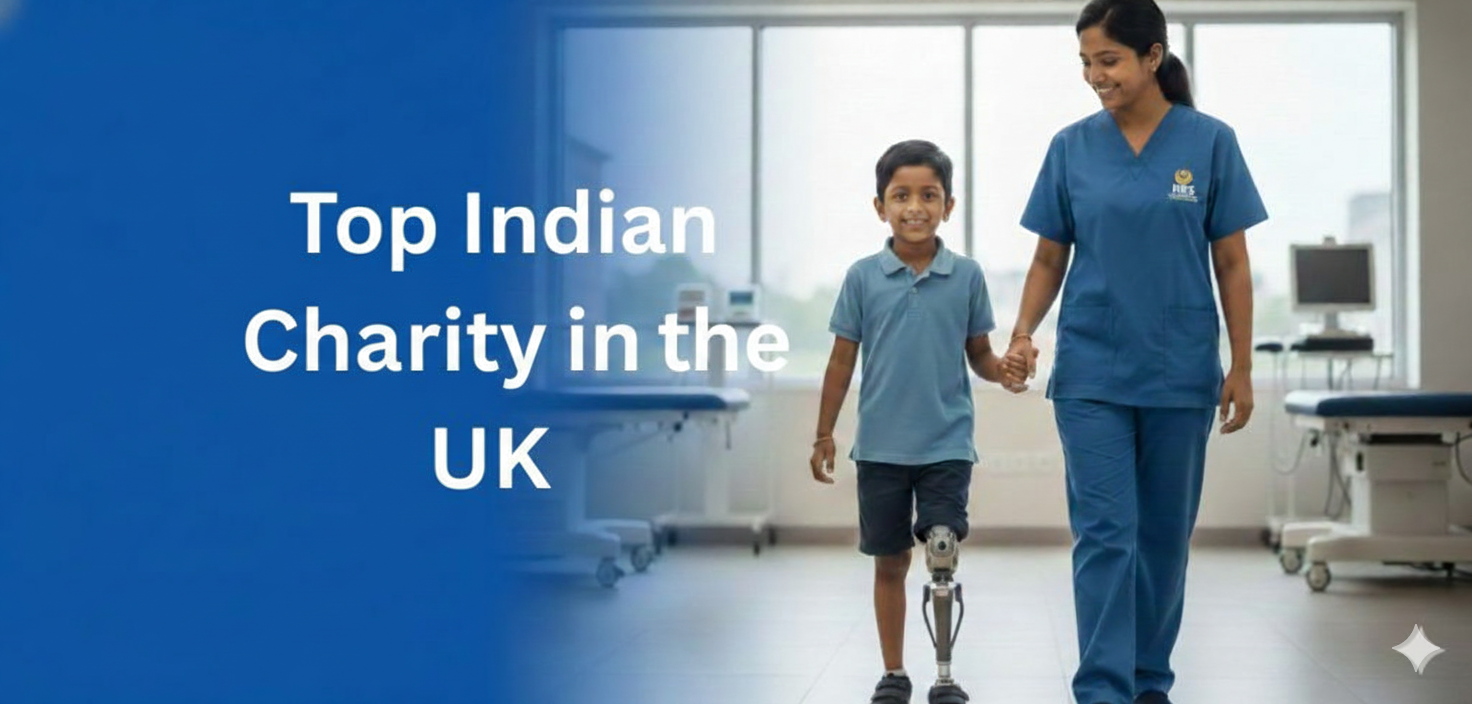
- Supplies of mobility aids and prosthetics – artificial limbs may provide people with unique mobility challenges to become independent and resume school or employment. Local hospitals are often engaged in the operation of distribution camps and measurement clinics.
- Physiotherapy and rehabilitation services – ongoing physiotherapy is used to reduce pain, improve functionality, and, in certain situations, eliminate the need to perform further surgery; free physiotherapy clinics are also a significant part of rehabilitation programmes.
- Hospital support and free medical aid – hospitals offer free or subsidised care, which would mean that low-income earners do not need to go bankrupt visiting a specialist.
- Vocational training and skill development – life skills, computer training, as well as tailoring and other vocational courses assist adults with disabilities to engage in sustainable livelihoods and re-establish their financial independence.
- Community outreach and mobile camps – local outreach aids the isolated communities, and therefore, fewer people have to travel long distances to access services.
The services are practical: they make the barriers in daily life easier, help people move again, and make learning and working more accessible to those who are affected by rare diseases and cannot experience a full-fledged life.
Conclusion
Rare diseases represent a societal and health-service issue in the UK: every disease is rare, but they collectively affect millions of individuals and create complicated demands that cannot be fulfilled solely via medicine. Every citizen can contribute by becoming aware of the signs, advocating early referrals and specialised treatment, and supporting agencies that offer on-the-ground services, such as corrective surgeries and artificial limbs, physiotherapy, and vocational training.
Want to save a life, make a difference, but not sure how? You can contribute to the work done by Narayan Seva Sansthan UK, a UK-based charity. We fund corrective surgeries, provide mobility aids and prosthetics, and vocational training and outreach services to people with complex conditions when it is needed. We can transform knowledge into action together and provide individuals with rare conditions with an opportunity to live more complete and independent lives.
“Every step forward matters.”
FAQs
- What counts as a “rare disease”?
A rare disease in the UK is normally less prevalent than 1 in 2,000, with thousands of rare diseases affecting millions of individuals.
- What is the UK prevalence of rare diseases?
It is estimated that there are about 3.5 million individuals in the UK with a rare condition (which is about 1 in 17).
- Is it possible to have charities that can help with treatment and mobility aids?
Yes, there are a lot of charities offering free corrective surgery and artificial limbs.
- What could I do to assist a patient who has a rare illness?
Listen, spread correct information, assist with travel to appointments, support charities that finance treatment and aids, and encourage prompt medical referrals.