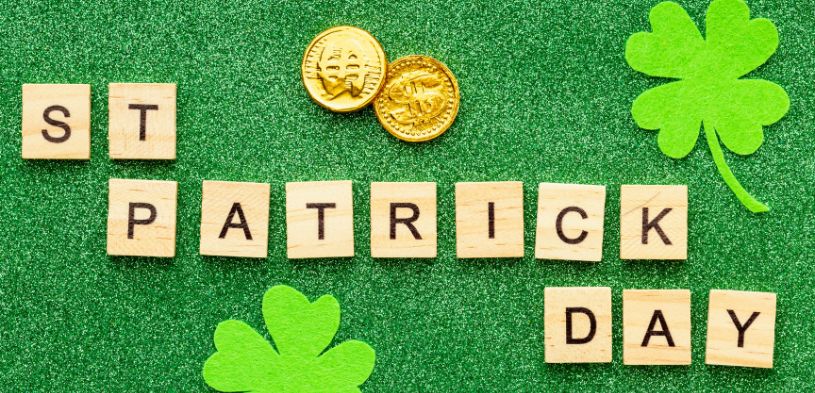


St. Patrick’s Day, celebrated every March 17, transforms the world into a sea of green, filled with parades, music, laughter, and a whole lot of Irish pride. In 2026, the date falls on Tuesday, March 17, and communities across the UK—and beyond—are gearing up for the festivities. But beyond the shamrocks and pints, what’s the real story behind this beloved holiday?
Let’s dive into the history, traditions, and some surprising facts about St. Patrick’s Day.
The History of St. Patrick’s Day
St. Patrick’s Day commemorates Saint Patrick, the patron saint of Ireland, who is credited with bringing Christianity to the Emerald Isle in the 5th century. Born in Roman Britain (not Ireland!) around the late 4th century, Patrick was kidnapped as a teenager and enslaved in Ireland for several years. After escaping, he trained as a priest and returned to Ireland as a missionary, where he spent decades converting people to Christianity through preaching and simple teachings.
He died on March 17 (traditionally dated around 461 AD), and that date became his feast day. The holiday began as a religious observance in Ireland as early as the 9th or 10th century, marked by church services and modest feasts. It remained largely a solemn, faith-based event until Irish immigrants brought it abroad—especially to the United States in the 1700s—where it evolved into a vibrant celebration of Irish culture and heritage.
In the UK, with its strong Irish communities, St. Patrick’s Day has grown into major public events, especially in cities like London, Manchester, Birmingham, and Liverpool.
Key Traditions of St. Patrick’s Day
Modern St. Patrick’s Day traditions blend religious roots with joyful cultural expressions:
- Parades—Massive processions featuring marching bands, Irish dancers, colorful floats, and community groups. In the UK, London’s famous St. Patrick’s Day parade takes place on Sunday, March 15, 2026 (the weekend before the official date), starting near Hyde Park Corner and ending in Trafalgar Square with a free festival of music, dance, food, and performances.
- Wearing Green—The color green symbolizes Ireland’s lush landscapes (the “Emerald Isle”) and the shamrock. Originally, St. Patrick was associated with blue, but green rose in the 18th century as a symbol of Irish nationalism and pride.
- Shamrocks—The three-leaf clover is one of the most iconic symbols. Legend says St. Patrick used it to explain the Holy Trinity (Father, Son, and Holy Spirit) to the Irish people—one plant with three leaves representing unity in diversity.
- Pubs and Celebrations—Enjoying Irish music, dancing (céilí), traditional foods like corned beef and cabbage, soda bread, or shepherd’s pie, and of course, plenty of Guinness or Irish whiskey.
- Leprechauns and Rainbows—Playful folklore elements, including tales of mischievous leprechauns guarding pots of gold at the end of rainbows.
These traditions create a sense of community, joy, and cultural connection, whether you’re Irish by birth or simply embracing the spirit.
Fascinating Facts About St. Patrick’s Day
Here are some eye-opening facts that add depth to the holiday:
- St. Patrick wasn’t Irish—he was born in Britain and only came to Ireland after being captured as a slave.
- The famous legend of driving snakes out of Ireland? It’s symbolic—snakes never existed on the island due to its isolation after the Ice Age. Historians believe it represents St. Patrick banishing pagan beliefs or druid practices.
- The shamrock was a sacred plant in pre-Christian Celtic times, symbolizing spring and renewal, long before its Christian association.
- The first St. Patrick’s Day parade wasn’t in Ireland—it happened in New York in 1762, organized by Irish soldiers in the British army.
- Green wasn’t always the color—early depictions of St. Patrick used blue, and “St. Patrick’s blue” was once the official shade.
- In some places, like Chicago, the river is dyed green for the day—a fun modern twist that started in 1962.
St. Patrick’s Day is more than just a party; it’s a celebration of resilience, faith, and cultural identity that unites people worldwide.
As we embrace the joy and community spirit of St. Patrick’s Day—whether joining a parade, wearing green, or sharing stories of heritage—let’s remember the deeper values of kindness, support, and helping others thrive.
At Narayan Seva Sansthan UK, we channel this same spirit of compassion by providing free healthcare, corrective surgeries, education, and empowerment programs for specially abled and underprivileged individuals and families. Our work helps build stronger communities and brighter futures, much like the inclusive celebrations of this holiday.
Discover more inspiring stories, initiatives, and ways to get involved by exploring our other blogs on the Narayan Seva Sansthan UK site. Wishing you a joyful and meaningful St. Patrick’s Day!